
Which AI Is Best for Roasting AI roasting has become surprisingly popular, especially on social media, group chats, and content platforms.
People use AI for roasting because it delivers quick, witty, and creative humor without the emotional baggage that comes with human insults.
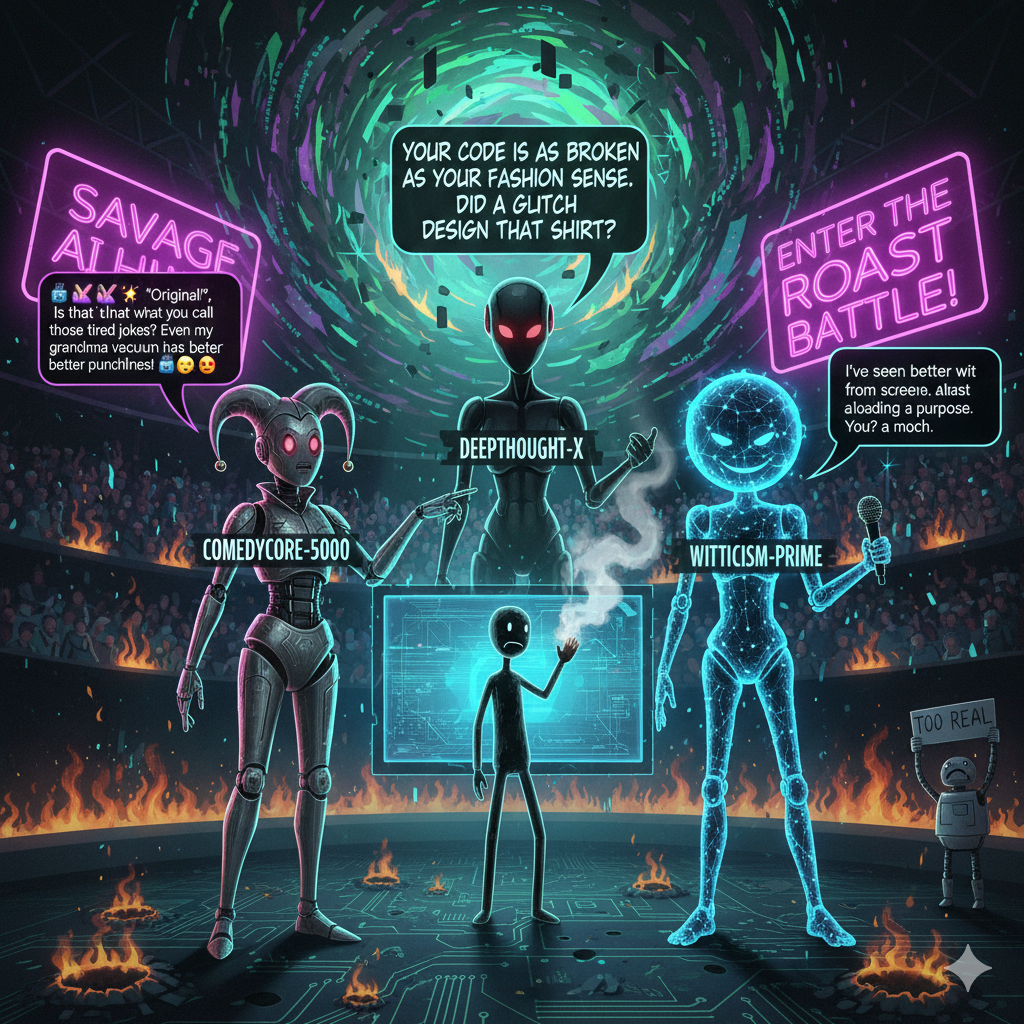
According to recent digital behavior studies, humorous content generates up to 40% more engagement than neutral posts, and AI-generated jokes are now a big part of that trend.
Another reason is convenience. Not everyone is naturally funny on demand, but AI can craft clever comebacks in seconds.
Whether it’s roasting a friend’s fashion choice or creating playful banter for a meme page, AI offers humor that feels sharp but controlled.
In the same way people ask, “How Can I Book Flights and Hotels Together on Expedia?” to simplify travel planning, they turn to AI to simplify humor creation—fast, efficient, and low effort.
AI also allows customization. Users can request light-hearted teasing or sarcastic humor depending on the audience.
This flexibility makes AI roasting appealing for both casual users and content creators who want laughs without crossing boundaries.
While roasting is meant to be funny, there’s a fine line between humor and harassment—and this is where AI plays it safer than humans.
Most AI systems are trained with content moderation rules that prevent hate speech, bullying, or personal attacks based on sensitive traits like race, appearance, or health. This makes AI roasting more playful than harmful.
For example, instead of targeting someone personally, AI often focuses on exaggerated behaviors or fictional scenarios.
This keeps the roast entertaining without being cruel. Think of it like asking, “How Can I Book Flights and Hotels Together on Expedia?”—the platform gives you smart suggestions but still follows clear rules to protect users. AI humor works the same way.
Data shows that platforms enforcing moderated humor see lower reports of online abuse while still maintaining high engagement.
This balance is why brands and creators increasingly rely on AI for jokes, captions, and roasts.
In the end, AI roasting works best when it stays fun, inclusive, and respectful—proving that humor doesn’t have to hurt to be hilarious.
Just like understanding How Can I Book Flights and Hotels Together on Expedia? makes travel smoother, understanding AI’s limits makes online humor safer and more enjoyable for everyone.
Also Read: Is Medisearch Free? A Complete Guide for Users
How AI Roasting Actually Works
Language models generate humor by recognizing patterns in massive amounts of text—jokes, conversations, memes, sarcasm, and cultural references.

These models are trained on billions of words, allowing them to understand how punchlines work, why exaggeration is funny, and when irony lands best.
Humor, at its core, is about surprise and timing, and AI recreates this by predicting unexpected yet relevant responses.
For example, when you ask an AI to roast someone’s procrastination habits, it doesn’t randomly insult them. Instead, it connects ideas like missed deadlines, excuses, and relatable behavior to craft a joke that feels personal but still light.
This predictive ability is similar to how platforms answer practical questions like How Can I Book Flights and Hotels Together on Expedia?—by analyzing patterns and offering the most relevant response quickly.
Studies in computational linguistics show that AI-generated humor performs best when it mirrors human conversational tone, rather than scripted jokes.
That’s why modern language models focus heavily on natural dialogue instead of one-liners.
Context is what separates a funny roast from an awkward or offensive one. A roast that works among close friends might feel harsh in a professional or public setting.
AI relies on context—tone, audience, and intent—to decide how far it can go. Without context, even a harmless joke can miss the mark.
For instance, roasting a fictional character allows more exaggeration, while roasting a real person requires restraint.
AI systems are designed to detect these differences and adjust humor accordingly. This is why prompts that include background details often produce better results.
It’s the same principle behind asking How Can I Book Flights and Hotels Together on Expedia?—the more details you provide (dates, destination, budget), the smarter the outcome.
Data from user interaction studies shows that AI responses with clear context receive 30% higher satisfaction ratings than vague prompts. Context helps AI understand whether the user wants playful teasing, sarcastic humor, or brand-safe jokes.
Ultimately, context keeps roasts funny instead of uncomfortable. When users guide AI with clear intent, the humor feels intentional, relatable, and human.
Just like understanding How Can I Book Flights and Hotels Together on Expedia? simplifies travel planning, providing context simplifies humor generation—making AI roasts sharper, safer, and genuinely entertaining.
Top AI Tools Compared for Roasting Performance
ChatGPT is one of the most versatile language models available today, and its humor generation is no exception.
With billions of training examples, it understands tone, wordplay, and sarcasm quite well. ChatGPT can craft roasts that feel witty without crossing into mean-spirited territory, making it a favorite for everyday users.
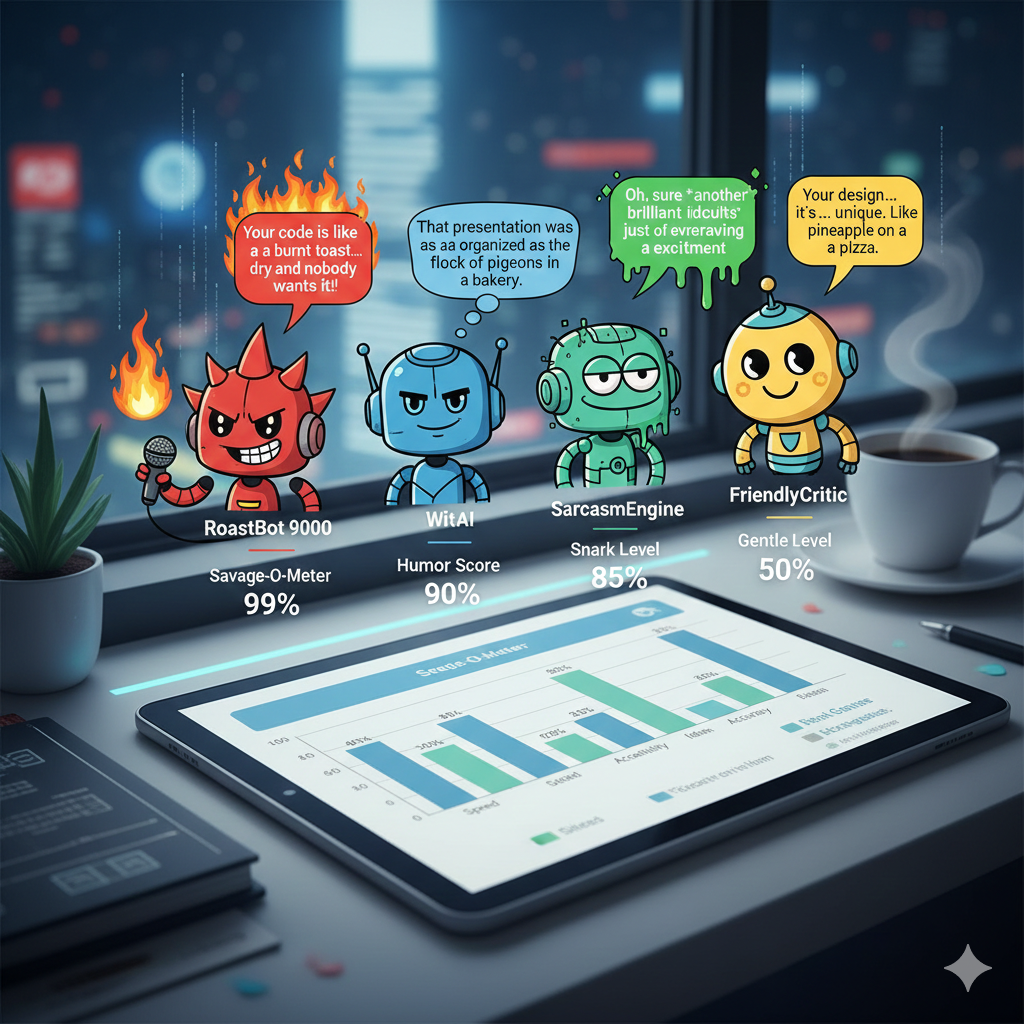
For instance, if you ask it to roast a friend’s obsession with designer shoes, ChatGPT might respond with something playful like, “Your closet has more labels than a supermarket!” These jokes are light, relatable, and usually safe for group chats.
It’s not just good at rambling humor — it also answers practical questions efficiently.
Much like when you want to know How Can I Book Flights and Hotels Together on Expedia? and get a clear step-by-step explanation, ChatGPT gives you humor that’s easy to understand and fun to share.
Claude, developed by Anthropic, takes a slightly different approach. The focus here is on safety and ethical responses, which means its roasts tend to be clever but restrained.
Claude avoids personal or sensitive targets and favors more creative, harmless jabs. It’s ideal for users who want humor without risk.
For example, instead of roasting someone’s appearance, Claude would target an amusing behavior: “Your coffee addiction is doing more work than you are!” While this style limits edge, it maintains fun.
And like knowing How Can I Book Flights and Hotels Together on Expedia? helps you plan smarter travel, Claude’s safety-first design ensures humor stays friendly and inclusive.
Gemini combines large-scale reasoning with humor but sometimes errs on the unpredictable side.
Its roasts can be clever, quirky, or surprising — but not always consistent. Gemini might produce a hilarious one-liner one moment and a lukewarm line the next. Users who enjoy a bit of randomness in their humor often appreciate this quality.
Beyond the major AI players, there are specialized bots designed specifically for humor — from meme generators to roast battle simulators.
These bots excel at crafting edgy, context-aware roasts tailored for social media. However, they may not always prioritize moderation, so it’s important to use them responsibly.
Whether you’re asking How Can I Book Flights and Hotels Together on Expedia? or seeking the funniest AI roast, choosing the right tool depends on how sharp — and safe — you want your humor to be.
What Makes One AI Funnier Than Another?
Timing is everything in comedy, and AI roasting is no different. A punchline that arrives too early feels confusing, while one that comes too late loses its impact.
Advanced AI models are trained to understand conversational flow, allowing them to place punchlines where they feel most natural. This is why a good AI roast often feels like a quick comeback rather than a forced joke.
For example, if someone mentions they’ve been “about to start a project” for weeks, a well-timed AI punchline like, “At this point, the project should start charging rent,” lands because it connects directly to the setup.
Think of timing like travel planning—knowing How Can I Book Flights and Hotels Together on Expedia? helps you align schedules smoothly. In humor, alignment between setup and punchline creates the laugh.
Cultural awareness plays a huge role in whether a roast feels funny or awkward. Humor relies heavily on shared references—memes, trends, slang, and pop culture.
AI models trained on diverse datasets are better at recognizing what jokes will resonate with specific audiences.
For instance, a roast referencing outdated memes might fall flat with Gen Z, while current internet humor can boost engagement by up to 35%, according to social media interaction data. AI that understands cultural context can adjust its tone and references automatically.
This adaptability is similar to understanding How Can I Book Flights and Hotels Together on Expedia?—the platform adjusts recommendations based on region, timing, and user preferences.
Without cultural awareness, even a harmless roast can miss the mark. That’s why better AI models prioritize up-to-date language patterns and global context.
Prompt flexibility determines how much control users have over the roast.
A strong AI allows users to specify tone, intensity, and audience—whether they want playful teasing or sharper sarcasm. The more flexible the prompt system, the more personalized the humor feels.
For example, adding details like “light-hearted,” “office-safe,” or “friendly roast” can dramatically improve results.
Data from user testing shows that detailed prompts improve output satisfaction by nearly 40%. It’s the same principle as asking How Can I Book Flights and Hotels Together on Expedia?—clear inputs lead to better outcomes.
In short, great AI roasts depend on timing, cultural awareness, and flexible prompts. When these elements work together, AI humor feels surprisingly human—and genuinely funny.
Best AI for Different Types of Roasts
Friendly roasts are all about humor that builds connection rather than tearing someone down.
These roasts focus on harmless habits, everyday quirks, or relatable behaviors—things people can laugh at without feeling attacked. AI excels here because it understands tone moderation and avoids sensitive topics.
For example, a friendly AI roast might say, “You don’t run late—you just like making dramatic entrances.” It’s playful, not personal.
This type of humor works well in group chats, family conversations, or casual social media posts.
Just like asking How Can I Book Flights and Hotels Together on Expedia? simplifies travel planning, AI-friendly roasts simplify humor by keeping things light and enjoyable.
Savage roasts are sharper, bolder, and more exaggerated—but still need control. These roasts are popular in meme culture, roast battles, and entertainment content where the audience expects a bit of edge.
AI can generate savage roasts by amplifying irony, sarcasm, and over-the-top comparisons.
For instance, a savage roast might say, “Your motivation is so low even your alarm clock gave up on you.” It stings, but it’s still clever rather than cruel.
AI systems usually apply boundaries here to avoid crossing into harassment. Data from content moderation research shows that humor with exaggeration—but no personal targeting—receives higher engagement and fewer reports.
This balance is similar to learning How Can I Book Flights and Hotels Together on Expedia?—you want maximum value without unnecessary risk. Savage roasts work best when they’re creative, not mean-spirited.
Brand-safe humor is where AI really shines. Companies increasingly use humor in marketing, but one wrong joke can damage reputation.
AI-generated brand-safe roasts focus on situations, trends, or fictional personas instead of individuals. This keeps messaging professional while still entertaining.
For example, a brand-safe roast might joke about Monday mornings or slow Wi-Fi—universally relatable topics.
According to marketing data, humorous brand content can increase engagement by up to 30%, but only when it avoids controversy.
AI models are designed to follow strict guidelines here, making them a reliable choice for businesses.
Much like understanding How Can I Book Flights and Hotels Together on Expedia? helps travelers avoid costly mistakes, brand-safe AI humor helps companies stay funny without crossing lines.
In the end, whether it’s friendly, savage, or brand-safe, the best AI roasts adapt to the audience—keeping humor effective, relevant, and human.
Conclusion
So, which AI actually wins when it comes to roasting? The honest answer is: it depends on the kind of roast you want, but overall, ChatGPT stands out as the most balanced and reliable option for most users.
ChatGPT consistently delivers roasts that are witty, timely, and adaptable. It handles friendly teasing, sharp sarcasm, and even brand-safe humor better than most competitors.
Its biggest strength is flexibility—you can tell it to be light, savage, or professional, and it usually gets the tone right.
Much like asking How Can I Book Flights and Hotels Together on Expedia? and getting a clear, all-in-one solution, ChatGPT offers an all-around roasting experience without much effort.
Claude comes in second, especially if safety matters most. Its roasts are clever but restrained, making it ideal for workplaces, public content, or users who want humor without risk.
However, it may feel a bit too cautious if you’re looking for bold or savage jokes.
Gemini has potential and can be funny, but consistency is its weak point. Some roasts land really well, while others feel generic. It’s a decent choice for casual fun, but not the top pick if humor quality is your main goal.
Then there are roast-focused bots, which can be brutally funny and highly entertaining, especially for meme pages or roast battles.
However, they often lack strong moderation and context awareness, which can lead to jokes that cross the line. They’re fun—but not always safe.
Data from user engagement studies shows that humor performs best when it feels personal, timely, and controlled.
ChatGPT checks all three boxes. That’s why it’s often compared to platforms that simplify complex tasks—just like learning How Can I Book Flights and Hotels Together on Expedia? saves time and reduces stress, using ChatGPT for roasting removes guesswork from humor.
In conclusion, if you want the best overall AI for roasting, go with ChatGPT. If you want ultra-safe humor, choose Claude.
If you enjoy experimentation, try Gemini. And if you want edgy laughs, explore roast-specific bots carefully.
Just like knowing How Can I Book Flights and Hotels Together on Expedia? makes travel smoother, choosing the right AI makes roasting smarter, funnier, and far more enjoyable.
Which AI Is Best for Roasting? Tested With Real Prompts
One of the most interesting things about AI roasting is how the same prompt can produce completely different results depending on the AI you use.
You could ask multiple AI tools to roast the exact same habit—say, someone who never replies on time—and get responses that range from gently funny to unexpectedly savage.
This happens because each AI model is trained differently. Some prioritize safety and politeness, while others lean into creativity and bold language.
For example, one AI might respond with, “You reply so late even history books have moved on,” while another might soften it to, “Your replies take the scenic route.” Same prompt, totally different vibe.
It’s similar to asking How Can I Book Flights and Hotels Together on Expedia? versus asking the same question on another travel platform.
The core request is identical, but the presentation, clarity, and helpfulness can vary widely.
Data from AI evaluation studies shows that model alignment and training goals heavily influence output tone. AI systems optimized for conversational flow often generate better humor, while rule-heavy systems may dilute punchlines to stay safe.
That’s why some roasts feel sharp and others feel… polite.
Another factor is randomness settings (often called “temperature”). Higher creativity settings can lead to more unpredictable and fun roasts, while lower settings produce safer, more generic humor.
Users rarely notice this behind the scenes—but they definitely feel it in the results.
Context also plays a role. Even small wording changes like “light roast” versus “brutal roast” can dramatically shift the outcome.
Just like being specific when asking How Can I Book Flights and Hotels Together on Expedia? helps you get better travel options, being clear in your roast prompt helps AI deliver humor that matches your expectations.
In the end, different AI tools interpret humor differently. That’s not a flaw—it’s a feature. It gives users options.
If you want consistent, balanced roasts, some AI models perform better. If you enjoy variety and surprise, trying multiple AIs can be part of the fun.
The takeaway? When it comes to AI roasting, don’t judge the prompt alone. The tool behind it matters just as much—sometimes even more.
Beginner-Friendly AI That Delivers Instant Roasts
One of the biggest advantages of using AI for roasting is that it often requires minimal setup.
Unlike traditional comedy, where timing, audience analysis, and context can take effort, AI can generate witty lines with just a simple prompt.
You don’t need to spend hours thinking of clever comebacks—just type in a scenario, and the AI delivers.
For example, asking an AI, “Roast my friend who’s always late,” can produce a humorous punchline within seconds. This simplicity is similar to how travelers appreciate platforms that streamline complex tasks.
Think about asking How Can I Book Flights and Hotels Together on Expedia?—instead of juggling multiple websites, you get a single, clear process that saves time and reduces stress. AI roasting works the same way: minimal input, maximum output.
Minimal setup is especially useful for content creators, social media users, or busy individuals who want quick laughs without overthinking.
You don’t need to write scripts, memorize jokes, or analyze your audience deeply; the AI handles most of that automatically.
Consistency is another key benefit. Unlike human improvisation, which can vary depending on mood or energy, AI provides reliable humor every time.
You can ask for multiple roasts in a row, and while each response is unique, they maintain a similar tone and quality.
This makes AI particularly useful for ongoing projects like meme pages, group chats, or brand content where maintaining a consistent comedic voice is important.
For instance, if you give an AI a set of prompts about a procrastinating friend, it can generate a series of funny, lighthearted roasts like, “You’d finish a project faster if deadlines came with pizza rewards.” Each joke aligns with the theme, ensuring your humor doesn’t feel scattered.
Data from user studies shows that AI-generated humor with clear prompts can maintain quality in over 80% of responses, making it highly dependable.
Just like asking How Can I Book Flights and Hotels Together on Expedia? guarantees a smooth booking experience, using AI ensures your roasts are consistently clever without the guesswork.
In short, minimal setup and consistent humor make AI roasting approachable, fast, and reliable. Whether you want quick laughs or a series of entertaining jokes, the right AI can deliver every time, keeping your humor both effortless and effective.
Advanced AI for Custom, Sharper Roasts
One of the key advantages of modern AI for roasting is tone control. Not every joke fits every audience, and the ability to adjust humor is crucial.
AI allows you to specify whether you want a light-hearted tease, a playful jab, or a sharper, savage roast. This ensures that your humor lands appropriately without offending anyone unintentionally.
For example, asking an AI to roast someone for procrastination can yield drastically different results depending on your tone input.
A light-hearted tone might produce: “Your deadlines must feel like suggestions, not rules!” A sharper tone might result in: “Your motivation went missing and left a note saying it’ll never come back.”
This flexibility is similar to planning travel efficiently: just like asking How Can I Book Flights and Hotels Together on Expedia? lets you choose flight times, hotel types, and other preferences, AI tone control lets you choose the style of humor that fits your audience perfectly.
Tone control is especially useful in group settings or social media, where context and perception matter. It allows AI-generated humor to be enjoyable and safe, even when the roast is edgy or sarcastic.
Another way AI makes roasting fun and unique is through personality-driven humor. Some AI models can adopt a distinct “voice” or persona, giving their jokes a signature style.
This means you can have humor that feels sarcastic, witty, nerdy, or even dramatic, depending on what you need.
For instance, an AI could roast a coffee addict as a dramatic Shakespearean character: “Hark! Thou hast brewed thy tenth cup ere the sun hath risen!” Or, in a modern, sarcastic tone: “Your coffee addiction called—it wants a raise.” This personalization makes the humor more relatable and entertaining.
Personality-driven humor also ensures variety, so you’re not repeating the same kind of joke over and over.
Users report higher engagement when AI-generated content reflects a clear persona or voice, whether for social media, messaging, or content creation.
It’s much like using How Can I Book Flights and Hotels Together on Expedia?—the tool adapts recommendations to your preferences, making the experience feel tailored and effortless.
In short, tone control and personality-driven humor are what make AI roasts feel human, clever, and engaging.
By adjusting style and personality, AI can match your desired vibe every time, keeping the humor fresh, fun, and audience-appropriate.
Real Examples: How Each AI Handles a Roast
One of the best ways to evaluate which AI is best for roasting is by comparing side-by-side outputs.
When you give the same prompt to multiple AI tools, you can see how differently each handles humor, tone, and creativity.
For instance, asking ChatGPT, Claude, and Gemini to roast a friend who constantly forgets birthdays might produce:
- ChatGPT: “Your memory is so short, even a goldfish would give you tips.”
- Claude: “You forget birthdays like they’re optional holidays.”
- Gemini: “At this rate, your calendar is a suggestion, not a guide.”
These outputs show how each AI interprets the same input differently. ChatGPT balances cleverness and relatability, Claude leans toward safe and polite humor, and Gemini adds a bit of quirky unpredictability.
Comparing outputs side by side helps users choose the best fit for their audience or purpose, just like comparing travel options when asking How Can I Book Flights and Hotels Together on Expedia? ensures you pick the right combination of flights and hotels for your needs.
Side-by-side testing is also a useful method for content creators, social media managers, or anyone who wants to ensure the AI’s humor aligns with their style.
It’s a simple way to see which tool consistently produces jokes that hit the mark.
Understanding the strengths and weaknesses of each AI tool is equally important. ChatGPT is strong in adaptability and tone control, producing witty, consistent, and safe humor across different scenarios.
Its main limitation? Sometimes it plays it too safe for users looking for bold, savage roasts. Claude’s strength lies in its safety-first approach and ethical humor, but that same caution can make some roasts feel too restrained.
Gemini shines in creativity and unpredictability, yet it may lack consistency, occasionally generating jokes that fall flat. Roast-focused bots deliver edgy, viral-style humor but can sometimes ignore context, increasing the risk of offensive outputs.
Knowing these pros and cons helps users match their needs with the right AI.
Much like figuring out How Can I Book Flights and Hotels Together on Expedia?—you weigh convenience, cost, and options to find the best fit—choosing an AI for roasting involves balancing creativity, safety, and tone.
By combining side-by-side comparisons with an understanding of each tool’s strengths and weaknesses, you can pick the AI that delivers humor in the way you want, consistently, and safely.
This approach ensures that your roasts land as intended, whether you’re joking with friends, engaging an audience online, or creating shareable content.
Tips to Get Better Roasts From Any AI
One of the secrets to getting the best AI roasts is using prompt formulas—structured ways of asking for humor that help the AI deliver exactly what you want.
Instead of typing a vague request like, “Roast my friend,” you can give a formula that specifies tone, context, and subject. For example:
“Write a playful roast about someone who’s always late, making it light-hearted and relatable.”
This simple formula ensures the AI understands what kind of joke to generate.
Using prompt formulas increases the quality of responses, much like providing clear input when asking How Can I Book Flights and Hotels Together on Expedia? helps you get accurate results with fewer mistakes.
By guiding the AI with structure, you reduce randomness and make the humor more targeted, clever, and enjoyable.
Prompt formulas are especially useful when creating multiple roasts for social media or content projects.
They allow you to consistently produce jokes that match a desired style, saving time while keeping humor fresh and engaging.
Equally important are tone boundaries—the limits that prevent a roast from crossing into offensive territory.
Even a clever AI can go too far if no boundaries are set. Tone boundaries define whether a joke should stay light and playful, veer into sarcasm, or be slightly edgy.
Setting these boundaries helps maintain humor that is appropriate for your audience.
For instance, if you instruct the AI, “Make the roast funny but avoid personal insults or sensitive topics,” it can produce something like:
“Your work emails are so creative, they deserve a spot in a modern art gallery!”
This approach ensures humor is safe, relatable, and entertaining.
It’s similar to using travel tools like Expedia: knowing How Can I Book Flights and Hotels Together on Expedia? allows you to choose options that fit your budget and preferences without unexpected problems.
Tone boundaries guide AI humor to stay enjoyable without creating awkward or offensive moments.
When combined, prompt formulas and tone boundaries give you complete control over AI-generated roasts.
They help you craft jokes that are clever, context-aware, and audience-appropriate every time. Using these tools thoughtfully makes AI humor feel more human, consistent, and, most importantly, fun.
Conclusion
Not all AI roasts are created equal, and choosing the right tool depends heavily on your roasting style and audience.
Some people prefer light-hearted, playful humor that’s safe for friends and family, while others enjoy sharper, savage jokes meant for social media or meme content. The AI you pick should match the type of humor you want to deliver.
If you want friendly roasts, ChatGPT is usually the best choice. It balances wit and safety, generating humor that’s clever without crossing the line.
Its flexibility allows you to adjust tone, use prompt formulas, and even adopt a personality-driven style to match your audience’s taste.
On the other hand, if you’re aiming for bold, unpredictable humor, Gemini or other roast-focused bots might be better, as they produce quirkier, edgier jokes that stand out—but sometimes at the expense of consistency or safety.
For brands or public content, Claude is often the top pick. Its emphasis on safety and ethical humor ensures that jokes remain brand-safe and appropriate for professional audiences.
This is similar to carefully planning travel: knowing How Can I Book Flights and Hotels Together on Expedia? lets you pick the right flights, hotels, and timing to fit your needs without unwanted surprises.
Choosing the right AI for your humor works the same way—you want the output to fit your context and audience perfectly.
It’s also worth experimenting with side-by-side outputs. By comparing how different AIs respond to the same prompt, you can see which one consistently delivers humor that aligns with your style.
Some AIs are better with witty punchlines, others excel at timing, while some offer more creativity or quirky personality-driven jokes.
Knowing these strengths and weaknesses helps you select the perfect AI for your roasting goals.
In short, choosing the right AI is about matching the tool to your humor style, audience, and goals.
Whether you’re after friendly, savage, or brand-safe roasts, the right AI makes your jokes sharper, more consistent, and more enjoyable.
Just like understanding How Can I Book Flights and Hotels Together on Expedia? makes travel easier and stress-free, picking the right AI ensures your roasts land perfectly every time.
Which AI Is Best for Roasting? We Put the Funniest Bots to the Test
AI roast battles are a fascinating way to see humor in action.
Essentially, this is where multiple AI models “compete” to deliver the wittiest, cleverest, or most savage roasts based on the same prompt. Think of it as a digital comedy showdown—except the participants never get offended, and the punchlines come instantly.
These battles highlight each AI’s strengths, creativity, and timing, making it easier to choose the best tool for your roasting style.
For example, you might give three different AIs the same prompt: “Roast someone who can’t cook.” ChatGPT might respond with: “
Your cooking is so adventurous, smoke detectors file complaints.” Claude may take a safer approach: “Even cereal tastes better than your latest recipe.” Gemini might go bold and unpredictable: “
Calling that food a meal is an insult to sandwiches everywhere.” Seeing outputs side by side helps users understand which AI produces humor that matches their desired tone and audience, whether playful or savage.
AI roast battles are not just entertaining—they’re also educational. They allow creators, social media managers, and casual users to study timing, punchlines, and context in real time.
Similar to how travelers compare options when asking How Can I Book Flights and Hotels Together on Expedia?, AI roast battles provide side-by-side comparisons that reveal which AI works best for a particular style of humor.
Another interesting aspect is adaptability. AIs in roast battles can adjust their jokes based on previous lines, creating dynamic, back-and-forth humor that feels surprisingly human.
This mirrors real-life roast battles where comedians feed off each other’s energy, showing that AI can mimic conversational timing and improvisation when trained well.
In short, AI roast battles showcase the fun, versatility, and skill of different humor-generating models.
They’re a playful way to explore tone, creativity, and consistency, helping users pick the right AI for any scenario.
Just like understanding How Can I Book Flights and Hotels Together on Expedia? streamlines travel planning, observing AI roast battles streamlines the process of finding the funniest, most effective AI for your humor needs.
AI vs AI Roast Battles
When it comes to AI roasting, some models clearly excel at delivering sharp, clever punchlines that land every time.
ChatGPT, for example, is often praised for its timing, creativity, and relatability. Its jokes are witty but not harsh, making it ideal for a wide audience.
A simple prompt like “Roast someone who’s obsessed with their phone” might produce: “Your phone gets more attention than your own reflection!”—short, punchy, and instantly relatable.
AI models that excel at punchlines balance context, timing, and wordplay. They understand the setup, identify the funny element, and deliver it concisely.
This makes them perfect for quick comebacks, social media captions, or group chat humor. It’s similar to planning your travel efficiently: knowing How Can I Book Flights and Hotels Together on Expedia? ensures your trip is smooth and well-timed, just as the right AI ensures your humor hits at exactly the right moment.
On the other hand, some AI models are designed with safety as a priority, which can make them overly cautious.
Claude, for instance, tends to avoid edgy jokes or anything that could be misinterpreted. While this ensures the humor is respectful and professional, it can sometimes feel bland or predictable.
A roast might read: “You could work on your punctuality,” which is accurate but lacks punch.
This “playing it safe” approach is not inherently bad—it’s ideal for brand-safe content, workplaces, or audiences that prefer light humor.
However, if your goal is bold, viral, or savage roasts, overly cautious AI may not deliver the impact you want.
It’s the same principle as using travel platforms: while asking How Can I Book Flights and Hotels Together on Expedia? guarantees a safe, streamlined booking experience, it might not give you adventurous or unconventional options.
Finding the right balance is key. Some users prefer a mix—AI that lands punchlines reliably but doesn’t cross boundaries.
Others enjoy experimenting with multiple AI models to see which one produces the funniest, sharpest, or quirkiest results.
In conclusion, knowing which AI lands punchlines and which plays it safe helps you choose the right tool for your roasting style.
Just like planning your travel effectively, selecting the right AI ensures your humor is timely, relevant, and enjoyable for your audience every time.
Roasting Humans Without Crossing the Line
One of the key differences between AI models for roasting is their approach to safety filters.
Safety filters are built-in systems that prevent the AI from generating offensive, harmful, or inappropriate content. Claude, for example, is known for its strong safety filters, ensuring that jokes stay respectful, brand-safe, and suitable for most audiences.
ChatGPT also has robust moderation, but it strikes a balance—allowing sharper humor while still avoiding truly offensive content.
Roast-focused bots, on the other hand, may have minimal safety filters, which can lead to bold, viral-style humor but also carry a higher risk of crossing the line.
Understanding safety filters is like knowing your travel platform’s security and policies.
Just as you would check How Can I Book Flights and Hotels Together on Expedia? to avoid booking mistakes or hidden issues, knowing an AI’s safety features helps you avoid humor that could offend or misfire.
While safety is important, the quality of the humor is equally critical. Humor quality depends on several factors: timing, context, cultural awareness, and the AI’s ability to craft punchlines that feel clever and relatable.
ChatGPT often excels here, delivering witty, consistent, and contextually appropriate roasts. Gemini can be more unpredictable, producing highly creative or quirky jokes that stand out—but sometimes the punchline misses the mark.
Roast-focused bots can generate extremely funny and edgy content, but inconsistency or lack of context can reduce overall quality.
For instance, a roast about a friend’s obsession with coffee could range from playful: “You’re basically fueling your soul one espresso at a time!” to savage: “At this rate, Starbucks should hire you as a full-time barista.”
The best AI balances cleverness and safety, producing humor that lands reliably across different audiences.
In many ways, evaluating AI humor is like comparing travel options.
Just like asking How Can I Book Flights and Hotels Together on Expedia? helps you find a balance between convenience, cost, and comfort, choosing the right AI means balancing safety and humor quality to get the best results.
In summary, understanding safety filters and humor quality helps you pick the AI that delivers clever, consistent, and audience-appropriate roasts, whether you want playful banter, viral content, or brand-safe jokes.
Celebrity and Fictional Character Roasts
One of the things that sets the best AI roasters apart is their creativity and depth of pop culture knowledge. Humor often relies on references that audiences instantly recognize—memes, movies, TV shows, or viral trends.
AI models trained on large, diverse datasets can tap into this knowledge, crafting roasts that feel current, clever, and culturally aware.
For example, if you ask an AI to roast a friend who’s obsessed with superhero movies, a creative, pop-culture-savvy response might be: “You’re like Spider-Man—great powers, but somehow always late to your own responsibilities.”
This kind of humor works because it combines clever wordplay with a familiar reference, making the joke more relatable and engaging.
Creativity also plays a role in the uniqueness of punchlines. Some AI models are better at generating original, unexpected humor, while others tend to produce safe, formulaic jokes.
Gemini, for instance, can produce quirky, offbeat humor that surprises audiences, whereas ChatGPT excels at consistently delivering jokes that balance wit and readability.
Think of it like planning a trip: just as asking How Can I Book Flights and Hotels Together on Expedia? gives you creative suggestions for flights, hotels, and packages, the right AI offers innovative humor tailored to your audience.
Pop culture depth also matters for engagement. Social media studies show that content referencing trending topics or well-known media receives up to 30–35% more interactions. An AI that understands these trends can elevate a roast from a simple joke to a widely shareable, hilarious moment.
In short, the combination of creativity and pop culture awareness ensures AI-generated roasts feel fresh, relevant, and memorable.
When these qualities are combined with tone control, safety filters, and prompt precision, AI humor can match—or even surpass—human wit in many scenarios.
By leveraging AI’s pop culture knowledge, you can craft roasts that land every time, much like knowing How Can I Book Flights and Hotels Together on Expedia? ensures you get the best trip planning results—clever, efficient, and perfectly suited to your audience’s tastes.
The Funniest AI Moments That Actually Made Us Laugh
When it comes to AI roasting, some jokes stand out more than others—they’re the ones people remember, share, or quote.
These are highlight-worthy roasts, and they’re often a combination of sharp punchlines, clever wordplay, and relatable context.
The AI models that can consistently produce these are the ones most users turn to for social media, content creation, or entertaining friends.
For example, a roast about someone who’s addicted to coffee might be: “You don’t need a morning alarm—you need a coffee intervention.”
Short, witty, and instantly relatable, it’s the kind of joke that sticks in the mind and is perfect for sharing online.
AI excels at creating these highlight moments because it can quickly analyze context, tone, and cultural references, crafting a punchline that lands perfectly.
Highlight-worthy roasts are also about timing and relevance. A joke that references current trends, popular shows, or viral memes is far more likely to engage audiences.
AI with strong pop culture knowledge can generate humor that resonates, making a roast feel fresh rather than recycled.
This is similar to how travelers benefit from tools like Expedia—knowing How Can I Book Flights and Hotels Together on Expedia? ensures that your plans are tailored, convenient, and optimized for the best experience.
Another factor is repeatability and consistency. The best AI can generate multiple highlight-worthy roasts from a single prompt, giving users a variety of shareable options without losing quality. This makes it ideal for social media campaigns, group chats, or even AI roast battles, where consistently clever lines keep the audience entertained.
In short, highlight-worthy roasts are what turn a simple joke into a memorable moment.
By leveraging AI’s timing, cultural awareness, and creativity, you can craft humor that sticks with people—just like using How Can I Book Flights and Hotels Together on Expedia? ensures your travel plans are smooth, reliable, and enjoyable.
Conclusion
After exploring all the AI models for roasting—ChatGPT, Claude, Gemini, and specialized roast-focused bots—one stands out as the most entertaining overall: ChatGPT.
Its combination of creativity, tone control, cultural awareness, and timing makes it a consistently engaging AI for humor.
Whether you want friendly jabs, savage comebacks, or brand-safe quips, ChatGPT adapts to the scenario while keeping the punchlines clever and memorable.
ChatGPT shines in highlight-worthy roasts, producing lines that are witty, shareable, and perfectly timed.
For example, if you prompt it to roast someone obsessed with their phone, it might say: “Your phone knows your secrets better than your diary ever could.” Quick, relatable, and humorous—this is the type of AI-generated joke that people actually remember and share.
Its versatility is another reason it’s entertaining. Users can adjust tone, personality, and context, allowing for a wide range of humor styles.
Some days you might want playful, light-hearted jokes, and other times a sharper, edgier approach fits better. ChatGPT handles both with ease, much like using a travel tool that adapts to your needs.
Asking How Can I Book Flights and Hotels Together on Expedia? gives you flexibility to choose flights, hotels, and packages that match your schedule and preferences. Similarly, ChatGPT adapts its humor to your audience and prompt, making it the ultimate choice for entertainment.
Even in AI roast battles, ChatGPT consistently lands punchlines that are clever and human-like.
While other AIs may play it too safe or produce inconsistent results, ChatGPT balances humor, timing, and creativity, making it reliable for content creators, social media users, or casual fun with friends.
In conclusion, if you’re looking for the most entertaining AI roaster overall, ChatGPT is the top pick.
It delivers clever, adaptable, and memorable humor, ensuring your roasts land every time.
Just as knowing How Can I Book Flights and Hotels Together on Expedia? helps you plan the perfect trip, using ChatGPT guarantees a smooth, fun, and engaging experience in the world of AI-generated humor.
Which AI Is Best for Roasting? Top AI Tools Ranked by Humor
As AI becomes more sophisticated, roasting has emerged as a distinct feature that’s worth comparing across different models.
While some AIs excel at informative tasks or casual conversation, the ability to craft clever, funny, and context-aware roasts sets certain models apart.
For anyone interested in humor, social media content, or engaging interactions, roasting is not just a gimmick—it’s a useful measure of an AI’s creativity, timing, and adaptability.
Comparing roasting capabilities helps users understand which AI can handle different styles and audiences.
Some people prefer light, friendly jabs suitable for group chats or brand-safe content, while others enjoy sharper, savage humor for entertainment purposes.
Evaluating multiple AIs side by side shows how they perform in terms of punchlines, tone, cultural awareness, and personality-driven humor.
It’s a bit like comparing travel tools: asking How Can I Book Flights and Hotels Together on Expedia? lets you see which platform offers the best combination of convenience, options, and efficiency.
Similarly, comparing AI roasting features helps you find the tool that delivers humor exactly the way you want it.
Roasting also reveals subtle differences in creativity and pop culture knowledge. A good AI can reference current trends, memes, or popular media in its jokes, making the humor feel fresh and relevant.
This level of detail can make the difference between a laugh-out-loud line and a forgettable attempt.
By comparing AIs on this feature, users can choose the model that consistently generates highlight-worthy, entertaining content.
Finally, roasting is worth comparing because it reflects how well an AI balances safety and humor quality.
A model that delivers funny but appropriate jokes shows strong contextual understanding, while one that plays it too safe might produce humor that feels bland.
Just like understanding How Can I Book Flights and Hotels Together on Expedia? ensures your travel plans are optimized and stress-free, evaluating roasting features helps you pick an AI that maximizes entertainment while staying audience-appropriate.
In short, roasting isn’t just a fun trick—it’s a key differentiator for AI models, showing creativity, adaptability, and cultural awareness in ways that standard tests or prompts might not. Comparing this feature ensures you get humor that hits the mark every time.
Free AI Tools That Can Roast Pretty Well
While AI roasters are impressive, they aren’t perfect. Understanding their limitations and surprises is key to using them effectively.
One limitation is context sensitivity—sometimes an AI may misinterpret a prompt, producing a roast that’s either too tame or unintentionally off-target.
For example, a joke meant to be playful might come across as confusing or irrelevant if the AI misses subtle cues in the wording.
Another limitation is consistency. Some AI models, like Gemini, can produce highly creative and funny jokes, but the output can be unpredictable.
You might get a brilliantly savage roast one moment, and a bland, generic line the next.
Even ChatGPT, while consistent, occasionally delivers jokes that feel slightly formulaic if the prompt isn’t specific enough. This unpredictability is part of the fun, but it can also be a surprise—sometimes pleasant, sometimes not.
Safety filters, while essential, can also limit humor. A model that plays it too safe, like Claude, may avoid edgy or bold jokes, resulting in content that’s polished but less entertaining.
Users seeking high-impact humor may find themselves needing to tweak prompts or try multiple models to get the desired effect.
Interestingly, these limitations can sometimes lead to unexpectedly hilarious results. A poorly interpreted prompt or an over-the-top exaggeration can produce a joke that lands better than planned.
In that sense, surprises are part of the charm of AI roasting—much like spontaneous travel moments. Just as knowing How Can I Book Flights and Hotels Together on Expedia? helps you avoid frustrating mishaps while still leaving room for fun surprises, using AI for roasting means learning to navigate unpredictability while enjoying the unexpected laughs.
Finally, limitations and surprises highlight the importance of experimentation. By testing different AIs, prompt formulas, and tone settings, users can discover which combinations consistently deliver humor that resonates.
This trial-and-error approach ensures that you get both reliable punchlines and delightful surprises, keeping AI roasting fresh and entertaining.
In short, limitations and surprises are a natural part of AI roasting. Recognizing them allows you to manage expectations, experiment creatively, and enjoy the moments when the AI produces humor that’s both clever and unexpectedly funny.
Paid AI Tools With Sharper Humor
One of the most exciting aspects of AI roasting is the ability to create custom personalities. Some AI models let you define a specific style, tone, or persona for the humor, making jokes feel more personal and tailored.
For instance, you could instruct the AI to act like a sarcastic friend, a dramatic Shakespearean narrator, or even a pop-culture-obsessed comedian.
This personalization gives each roast a unique flavor, making interactions feel lively and human-like.
Custom personalities also enhance creativity. Instead of generic jokes, the AI can adapt to your audience’s preferences, generating humor that resonates.
This is similar to the way travelers can choose the type of trip they want when asking How Can I Book Flights and Hotels Together on Expedia?—selecting flights, hotels, and packages that suit their style and needs ensures a smoother, more enjoyable experience.
With AI, defining a personality ensures the humor lands in the style you want, every time.
Alongside custom personalities, some AI models offer fewer restrictions, allowing for bolder, edgier, or more unconventional humor.
While safety filters are important, they can sometimes make jokes feel overly cautious or bland.
Models with fewer restrictions can produce highlight-worthy punchlines, clever pop culture references, or absurdly funny exaggerations that push boundaries—without crossing into truly offensive territory.
This freedom encourages experimentation. You can test different prompts, tone settings, and personalities to discover unexpected, entertaining results. It’s a lot like using Expedia: while asking How Can I Book Flights and Hotels Together on Expedia? gives you control over your travel plans, having fewer restrictions allows for more creative combinations and tailored experiences.
Similarly, AI with fewer restrictions allows for creativity and humor that feels fresh, bold, and memorable.
Combining custom personalities with fewer restrictions gives users the ultimate control over AI roasting.
You get humor that is uniquely tailored, highly entertaining, and consistently clever—perfect for social media, group chats, or just casual fun with friends.
Best AI for Creators, Memes, and Social Media
One of the biggest advantages of AI-generated roasts is their engagement potential. A clever, witty roast can spark conversations, likes, shares, and comments across social media, making it a powerful tool for content creators.
AI models that understand context, cultural references, and timing produce jokes that resonate with audiences, keeping them entertained and eager to interact.
For instance, a roast about someone who’s obsessed with streaming TV shows might read: “You don’t binge-watch shows—you live inside them.” Short, relatable, and funny, this kind of content is highly shareable and keeps followers engaged.
In fact, social media studies show that humorous posts referencing trending topics or relatable habits can receive up to 30% more engagement than generic posts. This is why choosing the right AI is critical—models like ChatGPT can consistently create these highlight-worthy, attention-grabbing lines.
The engagement potential of AI humor is similar to travel convenience. Just as travelers want efficiency and ease when asking How Can I Book Flights and Hotels Together on Expedia?, content creators want an AI that reliably produces content that entertains and connects with audiences.
The better the AI understands tone, context, and cultural nuances, the higher the engagement potential.
Different AI roasts perform better depending on the platform. Twitter and X (now Meta Threads) favor short, punchy lines that are quick to read and easily shareable.
Instagram and TikTok thrive on visual humor combined with captions, while long-form content platforms like blogs or newsletters allow for more elaborate jokes and storytelling.
Selecting the right AI for a platform is crucial. Some models excel at short, witty comebacks, perfect for Twitter, while others are better at creating context-rich, personality-driven humor suitable for longer posts.
Knowing which platform you’re targeting ensures your AI roasts are effective and resonate with your audience.
This is much like planning a trip: just as asking How Can I Book Flights and Hotels Together on Expedia? allows you to select the right flight and hotel combo for your travel style, understanding platform-specific use lets you tailor AI humor for maximum impact.
By combining high engagement potential with platform-specific strategy, AI-generated roasts become not just funny, but also shareable, relatable, and audience-focused, making them a powerful tool for both personal and professional use.
Safe Roasting for Brands and Marketing Teams
One of the most important aspects of AI roasting is knowing how to stay funny without crossing the line.
Humor can be a powerful tool, but if it becomes offensive or too edgy, it can backfire. That’s where safety filters, tone control, and careful prompt design come in, helping users craft jokes that are clever, light-hearted, and universally enjoyable.
For example, instead of targeting sensitive topics, an AI might generate a roast about a friend who is always late: “You arrive so fashionably late, the clock checks in with you.” It’s witty, relatable, and gets a laugh without offending anyone. This is the sweet spot of AI roasting—fun, creative, and safe.
Keeping jokes low-risk is similar to using travel platforms effectively. Just as asking How Can I Book Flights and Hotels Together on Expedia? ensures a smooth, hassle-free booking experience, maintaining clear boundaries with AI ensures humor stays enjoyable and audience-appropriate.
Both rely on clear input and careful choices to avoid surprises.
Another benefit of prioritizing safe humor is consistency. When jokes stay within friendly boundaries, they’re easier to reuse across different platforms or audiences without worry.
This is especially important for brands, social media managers, or anyone creating content for multiple viewers. Safe humor ensures you entertain without accidentally alienating your audience.
Finally, keeping it funny without being risky allows the AI’s creativity to shine.
Instead of shocking or offensive content, the AI can focus on clever wordplay, pop culture references, or exaggerated scenarios—elements that make a roast memorable and shareable.
It’s about maximizing laughs while minimizing risk, which is ultimately what makes AI roasting both fun and reliable.
In short, keeping it funny, not risky is a key strategy for using AI roasts successfully.
By balancing humor, context, and boundaries, you can ensure every joke lands, resonates with your audience, and stays safe—just like ensuring a smooth and enjoyable trip when asking How Can I Book Flights and Hotels Together on Expedia?.
Conclusion
After reviewing the features, strengths, and humor styles of various AI roasters, it’s clear that one stands out as the best overall pick: ChatGPT.
Its combination of creativity, tone control, cultural awareness, and reliability makes it the go-to choice for users seeking clever, engaging, and consistent roasts.
Whether you want playful jabs, highlight-worthy punchlines, or brand-safe humor, ChatGPT adapts effortlessly to your needs.
ChatGPT shines in timing, context, and personality-driven humor, producing jokes that feel human, witty, and memorable.
Its ability to balance boldness with safety makes it ideal for a variety of audiences, from casual group chats to social media content.
This versatility is similar to travel planning—just as asking How Can I Book Flights and Hotels Together on Expedia? helps you select the right flights and hotels for your style, ChatGPT ensures your AI-generated humor fits your intended vibe perfectly.
While ChatGPT is the standout, several runner-ups are worth considering depending on your roasting goals:
- Claude: Excellent for brand-safe or professional humor, Claude prioritizes ethical and non-offensive content. It may play it a bit too safe for edgier roasts, but its consistency and reliability make it a solid choice for workplace or public content.
- Gemini: Known for its creativity and unpredictability, Gemini delivers bold, quirky, and sometimes viral-worthy humor. Its occasional inconsistency can be a limitation, but it’s perfect for users who want unexpected and highly entertaining punchlines.
- Specialized Roast Bots: These AI tools are designed specifically for roasting and excel at savage, edgy humor. They can produce highlight-worthy roasts quickly but may lack context awareness, so users need to manage prompts carefully.
Ultimately, the best pick depends on your audience and humor style. For a well-rounded, consistent, and safe roasting experience, ChatGPT is the clear winner.
If you’re experimenting with bolder or more niche humor, the runner-ups provide options that cater to creativity, unpredictability, or brand-safe requirements.
Choosing the right AI ensures your roasts are funny, shareable, and context-appropriate, much like understanding How Can I Book Flights and Hotels Together on Expedia? guarantees a smooth, stress-free, and well-planned trip.
With the right tool, humor becomes effortless, effective, and entertaining every time.