
Many people often ask “Is it Bettina or Betina?” when they come across the name written in different ways.
This confusion is quite common because both spellings appear in real life, on social media, in official documents, and even in books.
At first glance, the two versions look almost identical, with the only difference being the double “t” in Bettina.
Because of this small variation, people sometimes wonder which spelling is correct or whether both are acceptable. In reality, the question “Is it Bettina or Betina?” usually comes down to language traditions, regional preferences, and personal choice.
Many names around the world have multiple spellings, and Bettina/Betina is a good example of how a name can evolve over time.
Name spellings often vary across languages and cultures because of differences in pronunciation, spelling systems, and historical influences.
For example, the name Bettina is commonly used in German and Italian-speaking regions, where double consonants are very common in spelling.
In fact, linguistic records show that Bettina developed as a diminutive form of the name Elizabeth or Benedetta in parts of Europe.
According to global name databases and baby-name statistics, the spelling Bettina appears far more frequently than Betina, especially in countries such as Germany, Italy, and Austria.
However, in some Spanish- and Portuguese-speaking regions, simplified spellings sometimes appear, which explains why the single-“t” version Betina also exists.
This cultural variation is one of the reasons why people continue asking “Is it Bettina or Betina?” when they encounter the name in different contexts.
Understanding the correct or most common spelling can be important for several reasons. Names are closely connected to identity, official documents, and personal branding.
For example, using the wrong spelling in a legal document, email, or professional profile can create confusion or even administrative problems.
Studies on global naming trends also show that consistency in spelling helps with accurate identification in digital systems and records.
While both forms can exist, research and historical usage suggest that Bettina is the more traditional and widely recognized spelling.
That’s why the question “Is it Bettina or Betina?” continues to appear frequently online, as people try to determine which version is more accurate or culturally appropriate.
Ultimately, the answer often depends on personal preference, family tradition, or regional language influences.
More Read: What is a visual thread?
Origin and History of the Name
The question “Is it Bettina or Betina?” becomes easier to understand when we look at the historical roots of the name.
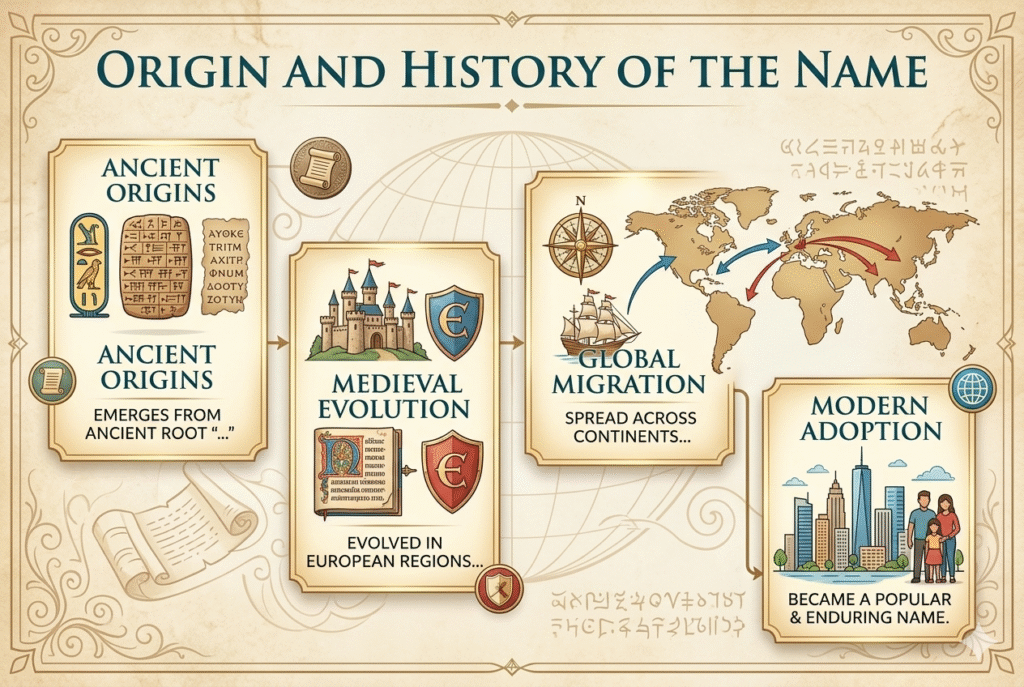
Bettina is widely considered a traditional European name that dates back several centuries. Linguists and historians often trace its origins to medieval Europe, when many personal names developed as shorter or affectionate versions of longer religious names.
During that time, families often created diminutive forms of names to express familiarity or affection. Bettina emerged in this way and gradually became a standalone name rather than just a nickname.
Historical records from Germany and Italy show the use of Bettina as early as the 17th and 18th centuries, particularly among aristocratic families and literary figures.
Because of these long-standing traditions, the spelling with the double “t” became more widely recognized, which is why many people today still ask “Is it Bettina or Betina?” when comparing the two forms.
A key reason for the name’s popularity is its connection to the classic biblical name Elizabeth.
Elizabeth comes from the Hebrew name Elisheva, which means “God is my oath.” Over time, many variations of Elizabeth appeared across Europe, including Elisabetta in Italian, Elisabeth in German and French, and Isabella in Spanish.
Bettina developed as a diminutive form linked to these variations, particularly from the Italian Elisabetta or Benedetta.
In many European languages, adding endings like “-ina” creates a softer or affectionate form of a name. For example, Elisabetta could be shortened to Betta or Bette, and eventually transformed into Bettina.
Because of this linguistic evolution, Bettina carries the same historical and symbolic meaning connected to Elizabeth.
This deep connection explains why the name has remained recognizable for centuries and why people continue to search “Is it Bettina or Betina?” when they encounter different spellings.
The development of the name across European cultures also influenced its modern usage. In Germany and Italy, Bettina became popular during the 18th and 19th centuries, especially among writers, artists, and intellectuals.
One famous historical example is Bettina von Arnim, a German writer and novelist known for her literary works and cultural influence during the Romantic period. Her prominence helped strengthen the recognition of the Bettina spelling.
As the name spread to other regions through migration and cultural exchange, slight spelling variations appeared, including Betina.
However, historical data and cultural records still show that Bettina remains the more traditional and widely used form.
This historical background is an important reason why the debate “Is it Bettina or Betina?” continues today, as people explore the origins and correct spelling of the name.
More Read: What Is Git Law?
Meaning Behind the Name
The question “Is it Bettina or Betina?” is often connected not only to spelling but also to the meaning and symbolism behind the name.

Bettina is widely considered a diminutive form related to the name Elizabeth, which has deep historical and cultural roots.
Because of this connection, Bettina carries symbolic meanings such as faith, devotion, promise, and loyalty.
The original Hebrew name Elisheva, from which Elizabeth developed, means “God is my oath.” Over time, as the name evolved into variations like Bettina, the symbolic meaning remained connected to commitment, strength of character, and trust.
This rich meaning is one reason why many families continue to choose the name today. When people ask “Is it Bettina or Betina?”, they are often also curious about the deeper meaning and tradition behind the name.
The religious and cultural significance of the name has also played an important role in its popularity.
Elizabeth is a well-known biblical name that appears in the New Testament as the mother of John the Baptist.
Because of this strong religious association, many cultures across Europe adopted variations of the name for their children.
Over centuries, these variations expanded into shorter or affectionate forms like Bettina. In countries such as Germany, Italy, and Austria, Bettina became a recognized given name, especially during the 18th and 19th centuries.
Historical records and name databases show that Bettina has been used consistently in these regions for generations.
This cultural background helps explain why the spelling with the double “t” is more widely recognized, which is why people frequently search online “Is it Bettina or Betina?” to understand the correct version.
Another reason the name has remained popular over time is its timeless and elegant sound. Names that originate from classic biblical or historical roots often maintain long-term popularity because they feel both traditional and modern.
Bettina is a good example of this balance—it carries centuries of cultural history while still sounding stylish and distinctive today. In modern naming statistics, Bettina continues to appear in European baby name lists and international name databases.
The name also gained visibility through historical figures such as Bettina von Arnim, whose literary influence helped keep the name recognizable.
Over time, these cultural, historical, and symbolic elements have kept the name relevant. This lasting appeal is exactly why the question “Is it Bettina or Betina?” still appears today, as people explore the meaning, history, and correct spelling of this classic name.
More Read: What Does DealMachine Do?
Differences Between the Two Spellings
One of the main reasons people ask “Is it Bettina or Betina?” is because of the small but noticeable difference between the double “t” and the single “t” in the name.
From a linguistic perspective, the double “t” in Bettina comes from European spelling traditions, especially in German and Italian languages.
In these languages, double consonants are commonly used to indicate pronunciation and rhythm within a word.
For example, Italian names like Antonella or Matteo also contain double consonants that slightly emphasize the sound when spoken.
Because Bettina developed from forms such as Elisabetta and Benedetta, the double “t” naturally carried over into the shorter version of the name.
This linguistic background explains why the spelling Bettina became more standard in many European regions.
As a result, when people wonder “Is it Bettina or Betina?”, the double-letter spelling often reflects the name’s original linguistic roots.
Cultural and regional preferences have also played a major role in how the name is spelled. In countries like Germany, Italy, and Austria, Bettina with the double “t” has historically been the dominant form.
Name databases and historical records from these regions show the spelling Bettina appearing frequently in literature, official documents, and birth records.
For example, the well-known German writer Bettina von Arnim helped popularize the traditional spelling during the 19th century.
However, when the name spread to other regions—particularly Spanish- and Portuguese-speaking countries—some simplified spellings began to appear.
In these languages, dropping one consonant can sometimes make a name easier to write or adapt to local pronunciation patterns.
Because of this cultural adaptation, the spelling Betina started appearing in certain communities, which is another reason people often ask “Is it Bettina or Betina?” when encountering the name.
Spelling variations in names develop naturally over time as languages evolve and cultures interact.
Migration, translation, and phonetic adaptation all influence how names are written. For example, when families move between countries, they sometimes adjust the spelling of a name to better match the local language or simplify pronunciation.
Historical records show that many classic names—including Elizabeth, Catherine, and Sofia—have multiple spellings across cultures.
Bettina and Betina follow this same pattern. While Bettina remains the more traditional and widely recognized spelling, Betina exists as a simplified variation that developed through cultural adaptation.
This evolution of names is a natural linguistic process, which is why the question “Is it Bettina or Betina?” continues to appear today as people explore the origins and correct spelling of the name.
More Read: Is Kling a Chinese Company? Everything You Need to Know
Popularity in Different Countries
When people ask “Is it Bettina or Betina?”, looking at global naming trends can help clarify which spelling is more commonly used.
Data from international baby-name databases and civil registration records shows that Bettina with the double “t” has historically been the more frequent spelling, especially in Europe.
During the 18th and 19th centuries, Bettina gained popularity in countries such as Germany, Italy, and Austria, where diminutive forms of longer names were widely used.
Even today, name statistics from European registries show that Bettina appears far more often than Betina. The traditional spelling has been reinforced through literature, historical figures, and cultural influence.
A well-known example is Bettina von Arnim, whose literary prominence helped strengthen recognition of the name across German-speaking regions.
Because of these historical and cultural factors, many people researching the name still search “Is it Bettina or Betina?” to understand which spelling is more widely accepted.
In Europe, Bettina remains particularly common in countries such as Germany, Italy, Switzerland, and Austria. In these regions, double consonants are normal in many names and words, which supports the traditional spelling.
According to international name frequency studies, Bettina was especially popular in Germany during the mid-20th century, appearing frequently in birth records from the 1950s through the 1980s.
In Italy, the name also appears as a shortened form connected to Elisabetta or Benedetta. Because these languages naturally use double consonants, Bettina fits comfortably within their linguistic patterns.
This is another reason why, when people compare the two spellings and ask “Is it Bettina or Betina?”, the European tradition generally points toward Bettina as the original and more established form.
However, the simplified spelling Betina can sometimes be found in parts of Latin America and occasionally in the United States.
In Spanish-speaking countries, names are sometimes adapted to match local spelling habits or simplified pronunciation.
As a result, some families prefer the single-“t” version because it looks shorter and easier to write.
In the United States, both spellings appear, but Bettina still tends to be more common due to its European heritage.
Immigration and cultural exchange have also influenced how names evolve in these regions.
Overall, while both versions exist, global naming patterns suggest that Bettina remains the more traditional and widely recognized spelling.
This worldwide variation is exactly why the question “Is it Bettina or Betina?” continues to appear in searches and discussions about the name today.
Pronunciation and Usage
When people ask “Is it Bettina or Betina?”, they are often curious not only about the spelling but also about how the name is pronounced in different languages.
Interestingly, the pronunciation of Bettina is quite similar across many European languages, although slight variations can occur depending on accent and phonetic rules.
In German and Italian, where the name has strong historical roots, Bettina is typically pronounced as beh-TEE-nah.
The double “t” creates a slightly clearer separation between the syllables, which is common in these languages. Italian pronunciation especially emphasizes the consonant sound, giving the name a rhythmic flow.
Because Bettina developed from forms like Elisabetta, the pronunciation naturally followed the phonetic patterns of those languages.
This consistency is one reason why many people exploring the name still ask “Is it Bettina or Betina?”, since pronunciation and spelling often go hand in hand.
In English-speaking countries such as the United States or the United Kingdom, the pronunciation is generally very similar.
Most English speakers pronounce Bettina as beh-TEE-nuh or sometimes buh-TEE-nuh, depending on regional accent.
While English does not always emphasize double consonants as strongly as Italian or German, the overall sound of the name remains nearly the same.
Because of this, the spelling difference between Bettina and Betina rarely changes how the name is spoken in everyday conversation.
This explains why some families choose the simplified version Betina without significantly affecting pronunciation.
However, linguists note that the traditional spelling Bettina still reflects the original phonetic structure more accurately. As a result, the discussion “Is it Bettina or Betina?” often comes down to written tradition rather than spoken differences.
In Spanish- and Portuguese-speaking regions, the pronunciation may sound slightly softer because these languages tend to smooth out consonant emphasis.
For example, in Spanish, Bettina or Betina is often pronounced beh-TEE-nah, with a gentle and flowing tone.
The double “t” may not be strongly pronounced, which can make the two spellings sound almost identical.
This is one reason why the single-“t” spelling sometimes appears in Latin American contexts—it visually simplifies the name without dramatically changing how it sounds.
Overall, pronunciation differences between Bettina and Betina are usually minimal across languages. The spelling variation mainly reflects cultural and linguistic preferences rather than major changes in pronunciation.
That is why many people continue to ask “Is it Bettina or Betina?”, even though both versions are typically spoken in almost the same way.
Famous People With the Name
When people search “Is it Bettina or Betina?”, they often come across the name through famous personalities who helped make it recognizable around the world.
One of the most notable historical figures with the name is Bettina von Arnim. She was a prominent German writer, novelist, and social activist during the 19th century Romantic era.
Born in 1785, Bettina von Arnim became well known for her literary works and her connections with influential cultural figures such as Johann Wolfgang von Goethe.
Her contributions to literature and intellectual society helped bring attention to the name Bettina throughout German-speaking Europe.
Because of her visibility and cultural impact, the traditional spelling with the double “t” became more widely recognized.
This historical example is one reason why people still ask “Is it Bettina or Betina?” when they encounter the name today.
In more modern times, several public figures have continued to keep the name visible in international media and culture.
For example, Bettina Wulff gained attention as the former First Lady of Germany and later as an author and public speaker.
Her presence in politics and media brought renewed recognition to the name Bettina in Germany and across Europe.
Another well-known personality is Bettina Santo Domingo, who has built a reputation in the fashion industry with elegant and modern designs.
Public figures like these demonstrate how the name Bettina continues to appear in different fields such as literature, politics, and fashion.
Their visibility keeps the name familiar to new generations and helps maintain its cultural relevance.
Public figures often play an important role in shaping the popularity of names. When a well-known celebrity, artist, or public leader has a particular name, it can inspire parents to choose the same name for their children.
Naming trends show that names associated with admired personalities often experience increases in popularity.
This pattern has happened with many classic names throughout history. Bettina is no exception—literary icons, public figures, and creative professionals have all helped keep the name recognizable across different cultures.
Because of this influence, people who encounter the name through media or historical references sometimes search “Is it Bettina or Betina?” to confirm the correct spelling.
In most well-known examples, the spelling Bettina appears more frequently, which reinforces its status as the traditional and widely accepted form of the name.
Tips for Choosing the Right Spelling
When deciding between the spellings, many people still wonder “Is it Bettina or Betina?” and the answer often depends on cultural background.
Names frequently reflect the language, traditions, and heritage of a family or community. For example, in many European countries such as Germany, Austria, and Italy, the spelling Bettina with the double “t” is traditionally more common because it follows the natural spelling patterns of those languages.
Double consonants appear frequently in Italian and German words, so Bettina fits comfortably within those linguistic systems.
Historical examples like Bettina von Arnim also helped reinforce the traditional spelling across Europe.
In contrast, some Spanish-speaking regions may occasionally use the simplified spelling Betina because it appears shorter and easier to write in everyday communication.
Because of these regional differences, cultural background is often the first factor people consider when asking “Is it Bettina or Betina?”.
Another important step when determining the correct spelling is checking official documents and personal preferences. Names appear in many formal records such as birth certificates, passports, academic records, and professional documents.
Even a small difference in spelling—like a single letter—can create confusion in legal or administrative systems. Studies in identity management and digital records show that consistent spelling helps avoid mistakes in databases and official paperwork.
For this reason, individuals usually follow the exact spelling that appears on their legal documents. If someone’s birth certificate lists the name as Bettina, that version becomes the correct one for official use, regardless of other variations that may exist.
This practical consideration explains why the question “Is it Bettina or Betina?” sometimes arises when people compare informal spelling with the official version used in records.
Finally, personal and family naming traditions often play a meaningful role in choosing the spelling.
Many families pass down names across generations to honor relatives or preserve cultural identity. In such cases, the spelling chosen by earlier family members usually remains unchanged.
For example, if a grandmother or great-grandmother was named Bettina, parents may continue using the same spelling to maintain that connection.
In other families, parents may intentionally choose a slightly different spelling, such as Betina, to create a unique identity while still preserving the sound of the original name.
Naming trends show that these personal choices often influence how names evolve over time.
Because of these cultural, practical, and family-based factors, people frequently search “Is it Bettina or Betina?” when trying to determine which spelling best fits their background, official records, or family tradition.
Conclusion
When people search “Is it Bettina or Betina?”, they are usually trying to understand the difference between two very similar spellings of the same name.
The main distinction lies in the number of “t” letters used. Bettina contains a double “t,” while Betina uses only one.
From a linguistic and historical perspective, the double-“t” spelling developed from European naming traditions, particularly in German and Italian languages where double consonants are common.
Because Bettina evolved from longer forms such as Elisabetta and Benedetta, the double consonant naturally remained part of the name.
Over time, however, simplified spellings like Betina appeared in some regions, especially where languages tend to avoid double letters in everyday writing.
This is why many people continue asking “Is it Bettina or Betina?” when they see the name written in different ways.
Although both spellings exist, historical records and naming statistics suggest that Bettina is generally the more widely used and traditional form.
The name has been documented in European literature and historical archives for centuries. One well-known example is Bettina von Arnim, a prominent figure in the 19th-century German Romantic movement.
Her influence helped popularize the name Bettina in German-speaking regions. In modern naming data, Bettina still appears more frequently in countries such as Germany, Italy, Austria, and Switzerland.
Meanwhile, the spelling Betina is sometimes found in parts of Latin America or among families who prefer a simplified version of the name.
Because of these regional variations, people who encounter the name often search “Is it Bettina or Betina?” to confirm which spelling is more commonly recognized.
Ultimately, choosing the correct version of the name depends on context and personal preference. If someone is referring to historical tradition or common European usage, Bettina is typically considered the standard spelling.
On the other hand, Betina may be chosen by individuals or families who prefer a shorter and simpler written form.
Cultural background, family traditions, and official documents can also influence which version is used. In the end, both spellings represent the same name and share the same historical roots and meaning.
The important thing is consistency and respecting the spelling that an individual personally uses. That’s why the question “Is it Bettina or Betina?” remains relevant—because names evolve across cultures, yet each spelling still reflects the identity and preference of the person who carries it.