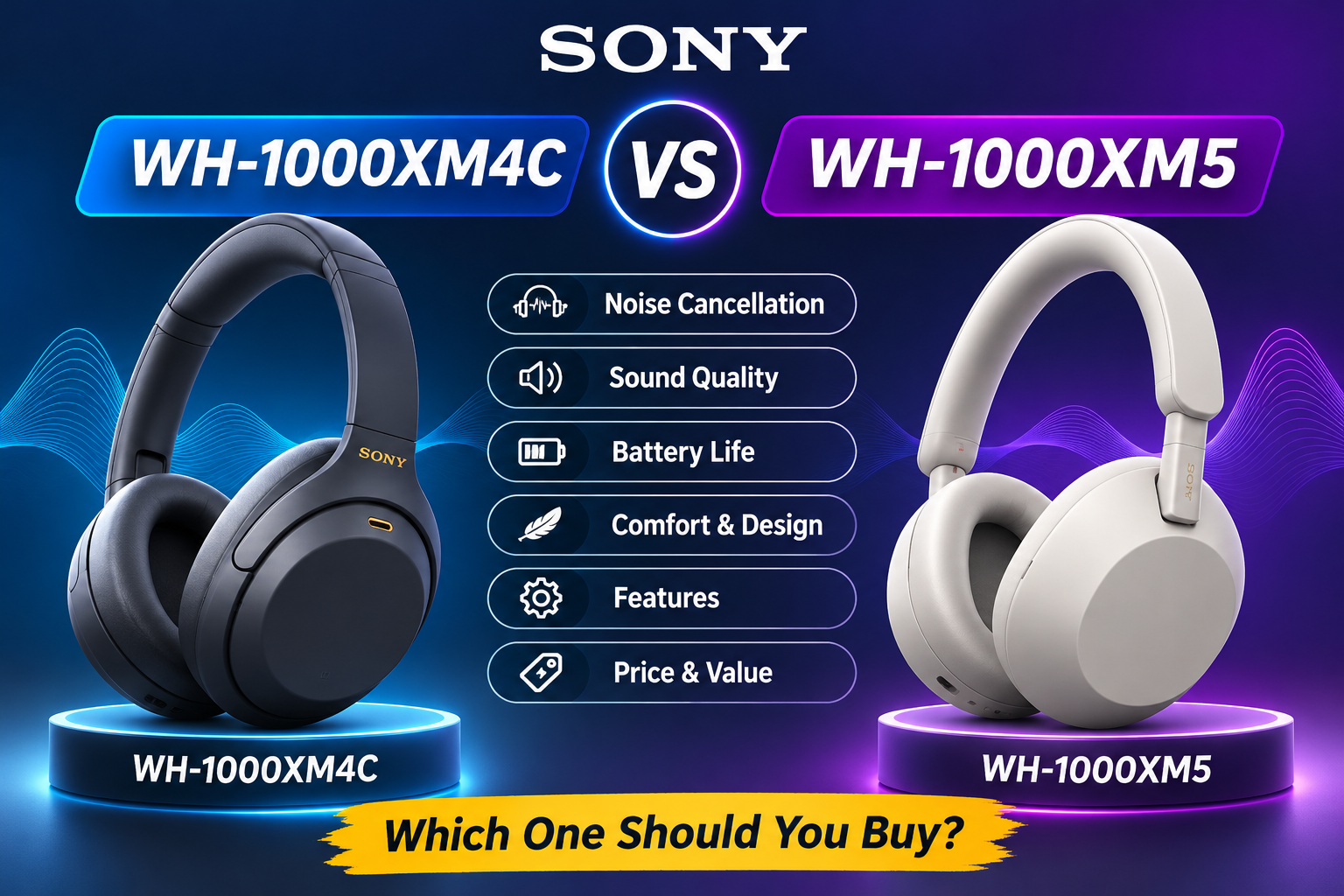
The Sony WH-1000XM4C has a selling point that is easy to appreciate before you press play: it folds down for easier packing. But a competing deal on the Sony WH-1000XM5 makes the decision less straightforward. The XM5 costs less in the comparison reported by The Verge and offers stronger noise cancellation, even though it takes up more space in a bag.
In its November 27, 2026 Black Friday report, The Verge listed the XM4C at $198 and the XM5 at $169. That puts the folding model at a $29 premium, turning what looks like a simple headphone discount into a question of which feature matters more to you. These are reported sale prices, not guarantees: deals, availability, and retailer pricing can change.
The case for the XM4C is portability. Sony brought back the folding design associated with the original WH-1000XM4, giving travelers and commuters a more compact option when the headphones are packed away. If your bag is already crowded, paying extra for a design that fits your routine may be worthwhile. If the headphones mostly stay at a desk or at home, that advantage may matter less.
The case for the XM5 is noise cancellation for less money. The Verge reports that it uses more microphones than the XM4C and provides improved noise cancellation, despite the two models sharing the same active noise cancellation chip. The trade-off is that the XM5 cannot fold as compactly. A shared chip therefore does not mean the two headphones deliver identical results, and the lower price does not automatically make the XM5 the better fit for every buyer.
There is another detail for listeners who like to adjust their sound: The Verge says the XM4C has a 10-band equalizer in its app, compared with five bands on the original XM4. That comparison is with the older XM4, not the XM5. For a broader look at evaluating sale prices, see our guide to Black Friday headphone and earbud deals.
Ultimately, the $29 difference is best viewed against your daily habits. Choose based on whether compact packing or stronger noise cancellation will make the bigger difference to you, then check the current price before buying.
Sony WH-1000XM4C Pricing: How Good Is the Discount?
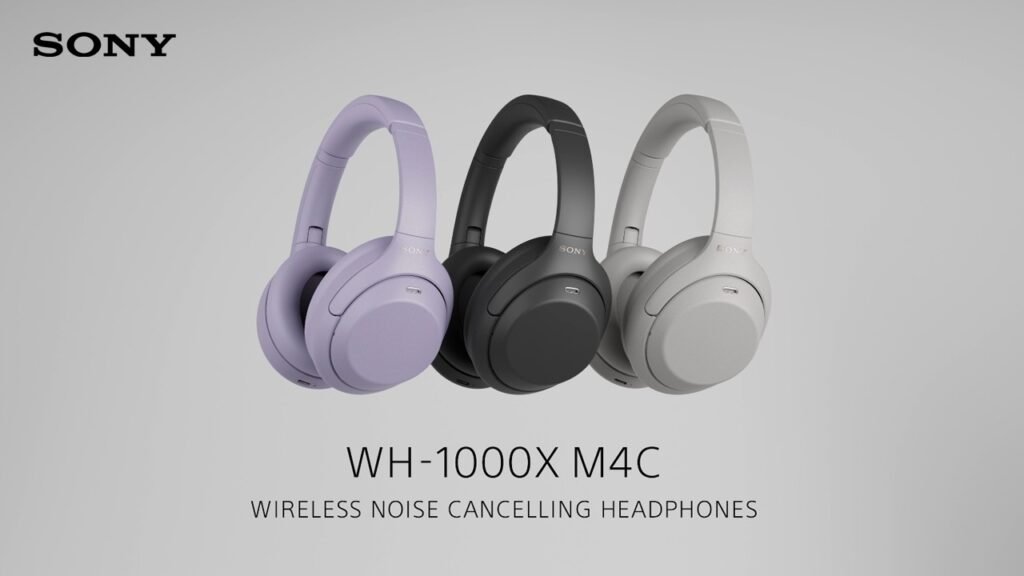
The Sony WH-1000XM4C’s reported Black Friday price of $198 represents a substantial drop just a few months after launch. According to The Verge’s deal report, that is $100 less than the headphones’ October launch price. On that basis, the launch price was $298 and the reduction is approximately 34%.
There is a small pricing wrinkle: The Verge’s deal card shows a $300 reference price, while the article’s stated $100 reduction implies $298. Either way, the reported sale takes roughly a third off the original price. The difference is worth noting if you are comparing percentage discounts, but it does not change the reported $198 offer.
The Verge also says all three colors reached their lowest price yet, including lavender. That is a claim about the prices observed for the deal, not a guarantee that every color will remain discounted or in stock. The report does not provide separate price histories for each color.
- Amazon and Walmart: The Verge lists both at $198 in its deal card.
- Best Buy: The article’s prose says $198, but its deal card lists $200. Check the retailer’s current listing rather than treating either figure as confirmed.
The discount looks less straightforward when compared with the Sony WH-1000XM5. The same report says Best Buy offered that model for $169, making the XM4C $29 more at the stated $198 price. The Verge describes the XM5 as having improved noise cancellation, while the XM4C folds more compactly. The choice is therefore not simply about which model has the larger markdown: it is also about whether easier packing is worth the premium to you.
Before ordering, verify the price for your preferred color, availability, shipping costs and any checkout conditions. Retailer offers can change, and the report’s prices should be treated as a snapshot rather than a current promise. For a broader look at assessing sale prices, see our guide to Black Friday headphone deals.
Why the Sony WH-1000XM4C Brings Back the Folding Design
The Sony WH-1000XM4C makes an unusual case for looking backward: a familiar headphone shape can be an advantage when it solves a problem you encounter every day. Rather than treating the earlier design as something to leave behind, Sony revisited the popular WH-1000XM4 and refined it. For travelers and commuters, the most visible part of that decision is the return of a folding form.
According to The Verge’s Black Friday report, the Sony WH-1000XM5 cannot fold as compactly and is consequently larger to pack. That distinction may matter if your headphones regularly share a crowded bag with a laptop, charger and other essentials. If they mostly sit on a desk or stay at home, the extra packability may be less persuasive.
The trade-off is a matter of preference, not a measured performance gain. The source does not provide packed dimensions, case-volume measurements or a test showing how much space either model saves. It would be misleading to claim that the XM4C fits a particular pocket or leaves a specific amount of room in a backpack. The useful question is simpler: how often would you appreciate a more compact folding design?
The familiar shape also comes with updates. The Verge reports that the XM4C has a 10-band equalizer in its app, compared with the original XM4’s five-band equalizer. Its reviewer found that the additional control helped open up the midrange. The XM5, meanwhile, offers improved noise cancellation through more microphones, according to the same report, although both models use the same noise-canceling chip.
Price puts the portability decision in context. The Verge listed the XM4C at $198 from Amazon and Walmart during Black Friday, while the XM5 was $169 at Best Buy: a $29 difference at those reported sale prices. Those figures describe a promotion, not a permanent premium, so check current listings before deciding. For a broader look at evaluating discounts, see our guide to Black Friday headphone deals.
If compact packing is central to your routine, paying more for the folding model could make sense. If it rarely matters, the cheaper XM5’s reported noise-canceling advantage may be the more appealing trade.
Sony WH-1000XM4C Sound and Controls: What Changed?
The Sony WH-1000XM4C brings a sound-control change to a familiar headphone design: its app offers a 10-band equalizer, compared with the original XM4’s five-band equalizer. In practical terms, the expanded controls give listeners more points at which to adjust the frequency balance, rather than relying on broader changes alone.
That matters most if you like tailoring headphones to your music. Midrange frequencies carry much of the character of voices and many instruments, so small adjustments there can affect how a recording feels. According to The Verge’s report, reviewer John Higgins found that the XM4C’s equalizer helped open up those midrange frequencies. That is an observation about what he achieved with the controls, not a guarantee that every listener will prefer the same settings.
The sound comparison goes beyond the older XM4. The Verge says the XM4C sounds nearly as good as Sony’s XM6, which it listed at $348 at the time of its Black Friday report. The same story put the XM4C at $198, making the difference $150 at those reported prices. Those figures describe a particular sale, not a permanent price gap, and the article does not provide measurements that quantify the sound-quality difference.
It is also important to separate the original XM4’s features from confirmed XM4C details. The Verge credits the original XM4, compared with the XM3, with better sound and noise cancellation, improved microphones, multipoint connectivity and a sensor that automatically pauses audio when the headphones are removed. Those points explain why the earlier model earned praise, but the source does not explicitly confirm that every one carries over to the XM4C.
Against the Sony WH-1000XM5, the source gives a clearer comparison on noise cancellation than on equalizer controls: it says the XM5 has more microphones and improved noise cancellation, while both models use the same ANC chip. It does not specify the XM5’s equalizer bands or establish which model sounds better after adjustment.
For shoppers weighing sound controls against a sale price, our related guide to Black Friday headphone and earbud deals offers a broader look at what a discount actually buys. The practical takeaway is to value the XM4C’s tuning flexibility on its own merits, while checking any must-have convenience features before purchasing.
Sony WH-1000XM5 vs Sony WH-1000XM4C: The $29 Trade-Off
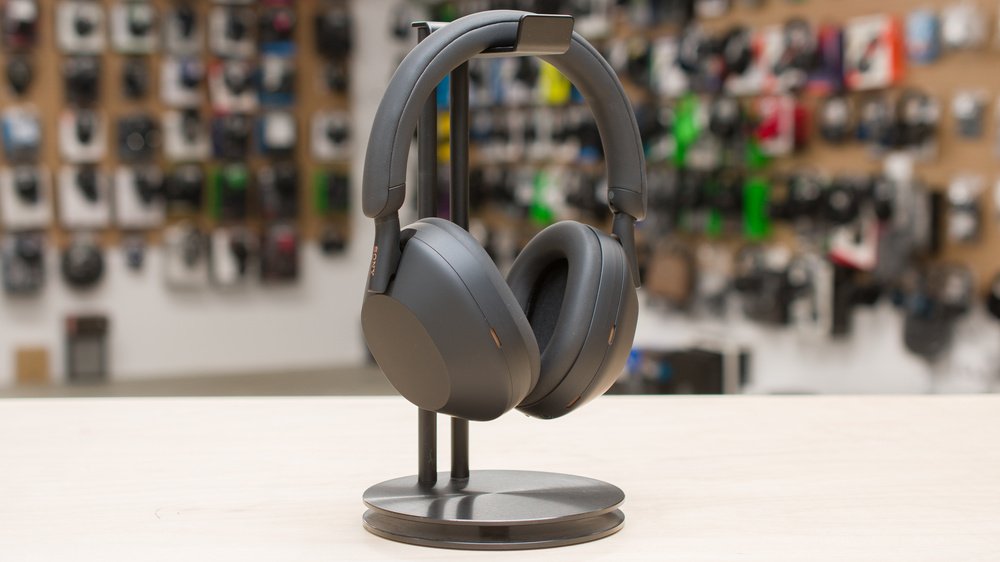
The choice between the Sony WH-1000XM4C and Sony WH-1000XM5 is unusual: the more compact folding model costs more in the reported Black Friday deals, while the less expensive model offers improved noise cancellation. Whether that extra expense is worthwhile depends largely on how you carry your headphones.
The Verge reported the XM5 at $169 at Best Buy and the XM4C at $198 during its Black Friday coverage. That puts the folding XM4C at a $29 premium over the XM5. The Verge described the XM5 offer as its lowest price yet from a major retailer, making it a compelling starting point for shoppers who care most about the deal.
There is a retailer detail worth checking before comparing carts. The Verge’s product listing showed the XM4C at $198 at Amazon and Walmart, but $200 at Best Buy. At those listed prices, buying either model from Best Buy would make the difference $31, not $29. Sale prices can change, so confirm the price at each retailer before deciding.
What the XM5 offers: The Verge says it has improved noise cancellation thanks to more microphones, even though it uses the same active noise cancellation chip as the XM4C. That is a useful distinction: a shared chip does not mean the two models have identical noise-canceling implementations. The report does not provide measurements of the difference, however, so there is no basis here for putting a number on the advantage.
What the XM4C offers: Its folding design packs more compactly. That may justify the premium if your headphones regularly compete for space in a backpack or travel bag. If they usually stay at a desk or in a roomy bag, the smaller packed footprint may matter less than the XM5’s lower reported price and noise-cancellation advantage.
The available comparison does not establish a battery-life or sound-quality winner between these two models. Treat those as separate questions rather than assuming the price difference answers them. For a broader perspective on sale pricing, see our related guide to Black Friday headphone deals.
Who Should Choose the Sony WH-1000XM4C or Sony WH-1000XM5?
The choice comes down to whether you value a smaller packed size and sound customization more than the strongest noise cancellation at the lower reported price. In The Verge’s Black Friday report, the Sony WH-1000XM4C cost $198, while the Sony WH-1000XM5 was $169 at Best Buy. Those are sale prices, not guaranteed current prices, so check the gap before deciding.
- Choose the XM4C for compact packing. If headphones regularly compete for space in a commuter bag or carry-on, the folding design is a practical reason to spend the reported extra $29. The XM5 does not fold as compactly, so its lower price may matter less to someone who packs headphones every day. Consider how much room you actually have rather than paying for portability you rarely need.
- Choose the XM4C for hands-on sound adjustment. The Verge reports that its app has a 10-band equalizer, compared with five bands on the original XM4. Its reviewer found that adjusting the equalizer helped open up the midrange. That makes the XM4C appealing if you like experimenting with how vocals and instruments sound, although the report does not establish a direct equalizer comparison with the XM5.
- Choose the XM5 for noise cancellation and value. The Verge says the XM5 uses more microphones and offers improved noise cancellation, even though it shares the same noise-canceling chip as the XM4C. If reducing surrounding noise is your main goal and the reported discount is still available, the cheaper model is the more straightforward choice. The trade-off is its bulkier packed form.
Use the XM6 as a sound benchmark, not an automatic upgrade. The Verge described the XM4C as sounding nearly as good as the XM6, which it listed at $348: $150 more than the reported XM4C sale price. That comparison gives budget-conscious listeners useful context, but the story does not provide enough detail to assess the XM6 fully against either model.
Before buying, verify the retailer’s current price and decide which compromise you can live with: a larger item in your bag or a higher bill for the folding model. For a wider look at sale pricing and trade-offs, see our Black Friday headphone and earbud deals guide.
Conclusion: Sony WH-1000XM4C and Sony WH-1000XM5 Key Takeaways
The Sony WH-1000XM4C makes the strongest case for buyers who want headphones that pack down easily and offer more control over their sound. The Sony WH-1000XM5 is the better fit for those who prioritize noise cancellation and can accommodate a less compact design. Which one is worth buying depends on both your routine and the prices you can actually find.
In its Black Friday 2026 deal report, The Verge reported the XM4C at $198 and the XM5 at $169, a $29 difference. At those prices, choosing the folding XM4C meant paying more, not less. That comparison is a historical deal snapshot rather than a guarantee of today’s price or availability.
There is also a Best Buy discrepancy worth checking: The Verge’s main text included Best Buy among retailers offering the XM4C for $198, but its product listing showed $200 at Best Buy. Compared with the reported $169 Best Buy price for the XM5, that listing would make the gap $31 instead of $29. The report does not explain the difference, so neither Best Buy figure should be assumed to be current.
- Choose the XM4C for portability: Its folding design makes it easier to pack compactly. The Verge also reports a 10-band equalizer in the app, up from five bands on the original XM4, giving listeners more flexibility to adjust the sound.
- Choose the XM5 for noise cancellation: The Verge says its additional microphones improve noise cancellation, even though it uses the same active noise-cancellation chip as the XM4C. The trade-off is a design that does not fold as compactly.
For a wider view of how to assess discounts, see our related guide to Black Friday headphone and earbud deals. Before deciding, check each retailer’s current price and stock, including your preferred color. If the gap has changed, reconsider whether easier packing or stronger noise cancellation matters more to you; the earlier $29 comparison may no longer apply.